"Do not fear us. Give us the tools to return"
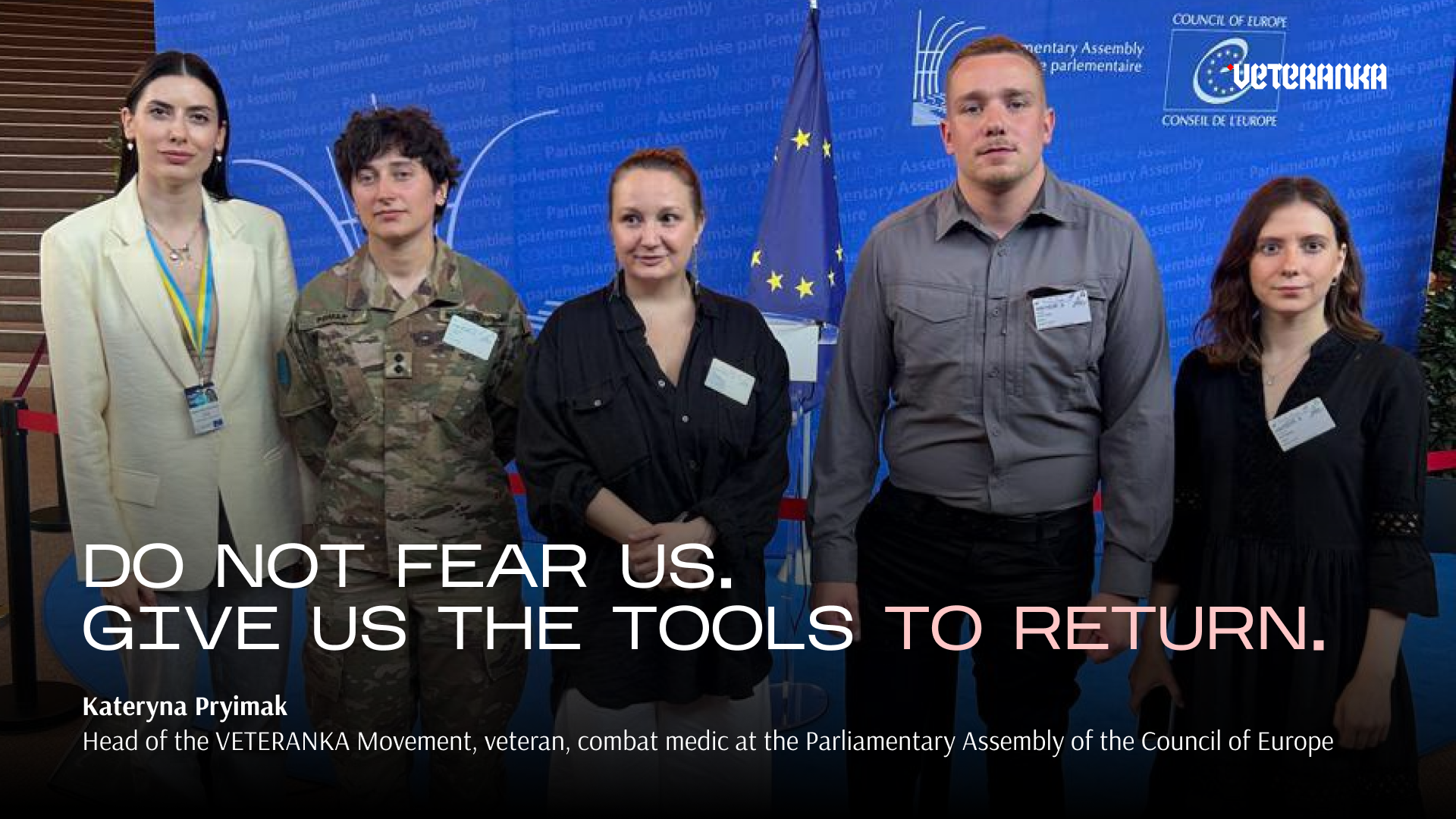
Kateryna Pryimak, Head of the Women Veteran Movement, spoke at the Parliamentary Assembly of the Council of Europe. In her address, she talked about the experience of Ukrainian veterans, returning from war, the invisibility of women in veteran policy, mental health, accessibility, dignity, and the responsibility of the state.
This was not only a speech about veterans. It was a speech about what Ukraine must become after the war — if we truly want to bring people back to life, rather than leave them alone with trauma, bureaucracy, and indifference.
We publish the full speech in English:
“My name is Kateryna, and I am a veteran.
My war began back in 2014, twelve years ago. It started at a time when most of the world looked away from the hell that Russians were unleashing in Donbas, and when the phrase “veteran policies” didn’t even exist in our vocabulary.
Today, the number of veterans in Ukraine is reaching 1.5 million.
My journey reflects two completely different experiences. After my first year of service, I returned to civilian life when I was just 22 years old. I was so young; I was supposed to just be starting to build my adult life.
Back then, I didn’t lose much in terms of social standing, but that one year defined the rest of my life. Instead of a large community, I was left with only two people by my side. It was incredibly difficult to find common ground with those who had spent that entire year living their normal, uninterrupted lives.
I was exhausted and burnt out. However, I still had my youth, my free will, and parents who could support me.
That is a world away from what it means to return as an adult today — when you have children to feed, but your health is gone, and your parents are no longer there to carry you through.
In 2022, I returned to the front lines. I served a deployment as a combat medic during the operation to liberate the Kherson region.
Out there in the trenches, when the intensity of the war was beyond words — and bear in mind, this was just the repetition before the mass deployment of FPV drones — I looked at our people, at these titans, and I realized something: I will return to civilian life, and I will do everything within my power to be a rock-solid rear guard for them.
It is profoundly difficult to explain to civilians what it is like just to be there. But these people are there every single day, performing the most vital and important job in the world.
I was fortunate because the war gave me a community of my own: women who share the exact same experience.
Our female experience of war is complicated not only by the horrors of combat or the loss of our brothers and sisters in arms, but by the military service itself. The masculine environment is still not always welcoming to us.
First, we must prove on duty every single day that we can fight on equal terms. And after we are discharged, we are forced to prove our contribution all over again, because the state and society still predominantly view a veteran as a man.
When I first received my combat veteran ID and tried to use my right to free public transit, the very first thing I encountered on the bus was dismissal from the driver.
He looked at me and smirked: “Little girl, do you even know how to shoot?”
And while we are not here today at the Committee on Equality to speak solely about women in the military, this directly impacts veteran policies.
Because veteran policy is not just a dry checklist of social benefits. It cannot be built in a vacuum.
Today, the integration of veterans is an opportunity to look more broadly at the entire social support system in Ukraine. We must recognize the intersectionality of different groups.
Inclusivity is about everyone. By breaking down barriers for various groups of veterans, we automatically dismantle those barriers for civilians as well.
Right now, our service members are in a position where they cannot just pack up and come home when a contract expires. Those who are discharged are mostly people who have sustained severe injuries, lost limbs, or lost their sight.
For women, there is one more exception: pregnancy.
And this joyful reason for leaving the service only seems easy from the outside. In reality, for women, it often marks the beginning of profound isolation.
A veteran on maternity leave is frequently left completely alone — not just with her child while her husband is at the front, but entirely alone with her postpartum depression and PTSD.
Meanwhile, the civilian world is rarely taught how to adapt to veterans.
Yesterday, I ran into my friend Dzvenyslava here. It broke my heart to see how much grey hair she has grown.
I gave a part of my life to the war, but many people have now been serving continuously for four years, some for five or six, and some for all twelve since the very beginning.
It is terrifying to imagine what people feel as their lives pass by year after year in the trenches, while their children grow up without them.
Sometimes, I feel ashamed to talk about myself when I look at those who have put their entire lives on pause.
Having worked on veteran issues for eight years now, I have a clear vision of what veteran policies must look like:
Recognizing diversity through intersectionality.
Veterans are diverse in gender, age, family status, and physical health. Rehabilitation cannot be one-size-fits-all. It must address the need for accessible gynecological care for female veterans just as intentionally as it handles prosthetic fittings.
Nothing for veterans without veterans.
Veterans must be the subjects and agents of policy, not the passive objects of pity or bureaucratic experiments. However, people exhausted by the front lines do not have the energy to fight through red tape.
True agency means the state uses digitalization to eliminate the humiliation of endless queues at Medical Military Commissions and disability boards. It means giving veterans the time to heal and the financial freedom to choose a profession they love, rather than one forced upon them by poverty.
Reforming social philosophy.
Instead of meager, Soviet-style handouts, social policy must act as an accelerator that rapidly re-integrates people into the labor market.
The Ministry of Veterans Affairs must stop working inside its own siloed projects and instead become a facilitator of change across all other state institutions.
Yet, all of these sound strategies crash against a harsh reality every single day.
Many veterans who lost their mobility nearly froze to death this past winter. Our cities are built in a way that makes every single cobblestone a barrier.
How can we report on veteran policies when, during blackouts, people in wheelchairs are trapped like prisoners in their high-rise apartments, where temperatures dropped to freezing?
We need to speak about these things honestly.
I know that Europe fears the radicalization of Ukrainian veterans. But I will tell you frankly: I am not afraid of radicalization.
I am afraid of a wave of suicides.
I am afraid of addictions, chronic unemployment, and suppressed, unprocessed grief.
If the international community truly wants to prevent these risks, invest in our accessibility and our mental health right now.
Do not fear us.
Give us the tools to return.
Veterans are not a “problem” or a “burden.”
They are individuals with a unique wealth of experience in crisis management, leadership, and resilience.
If we remove discrimination and barriers, if we offer them dignity instead of bureaucracy — these 1.5 million people will become the primary drivers and the shield of a new, strong Ukraine.
Thank you.”
 To Mark the 8th Anniversary of the VETERANKA Movement
 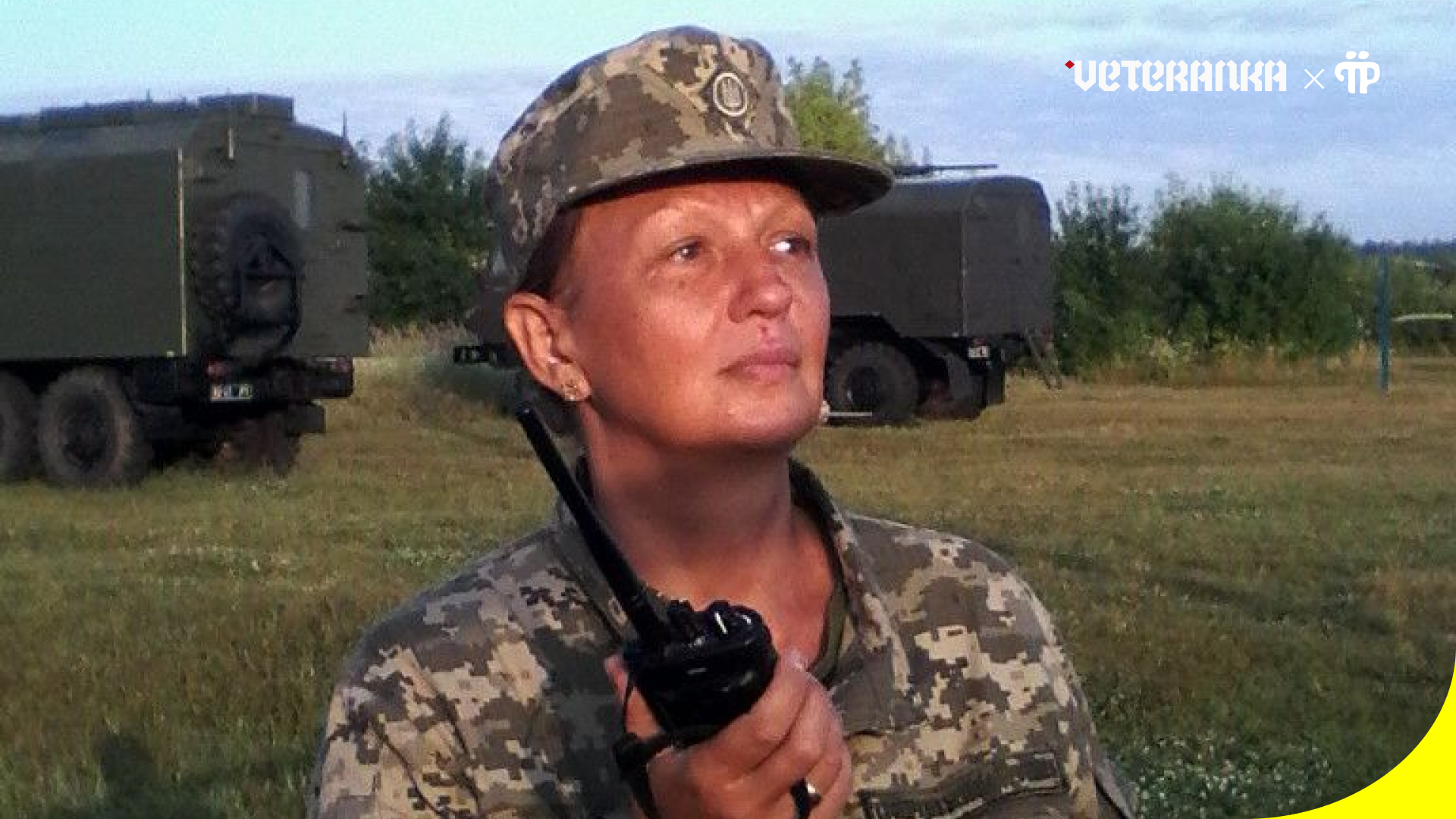 “Life does not end after service — it becomes different”
 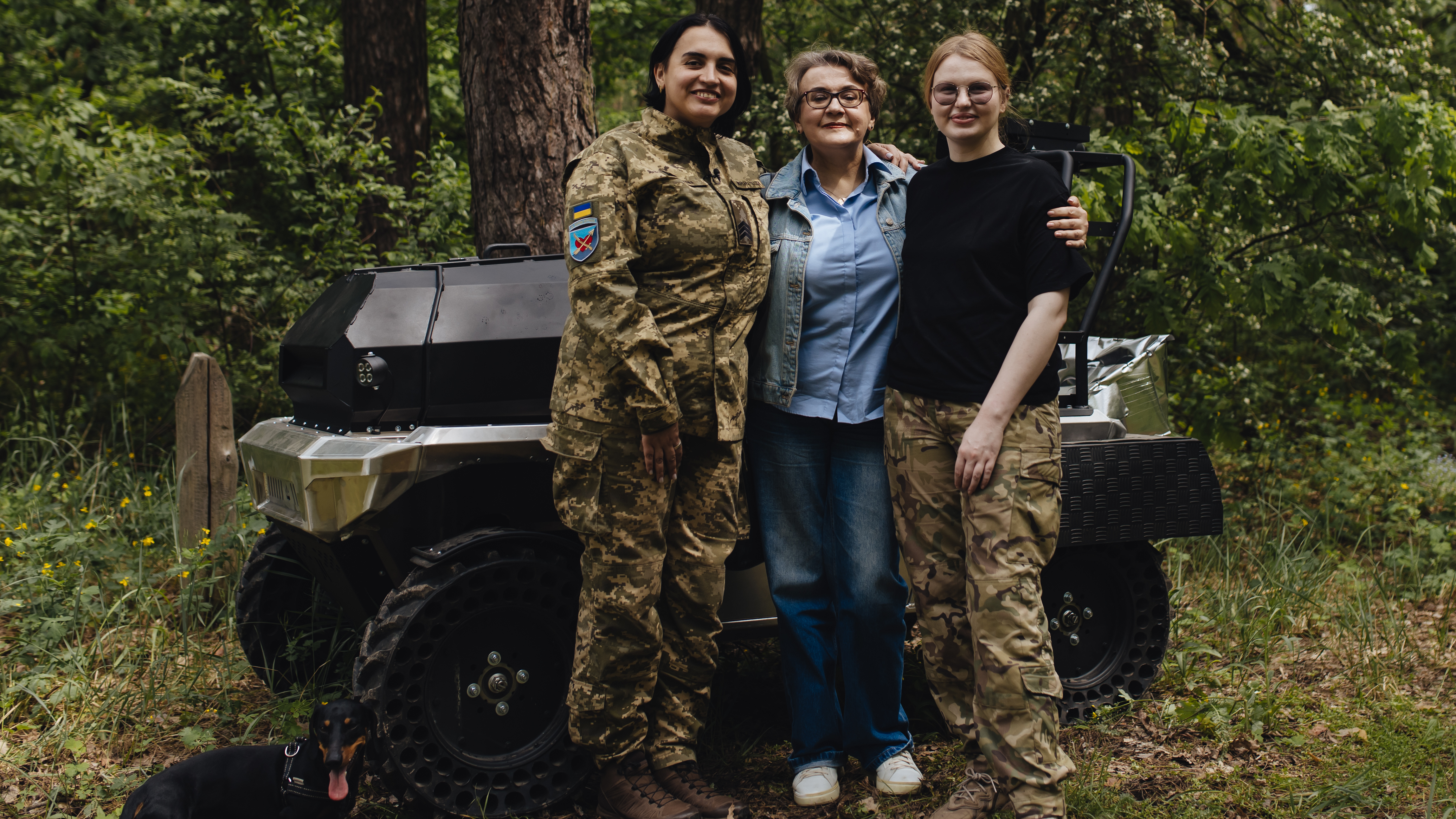 We strengthen evacuation efforts on the most difficult sections of the front and delivers the unique robotic complex “Maul”
  “I am not a girl here, but a servicewoman”