“I want to take revenge for my shattered life. For all the military and civilians who have died in this war”

Tetiana “Romashka” Nadieieva — Commander of the Logistics Platoon of the Asgard Battalion, 412th Separate Nemesis Unmanned Systems Brigade, member of the VETERANKA Movement
Tetiana Nadieieva, callsign “Romashka,” has been serving for over a year in the Asgard Battalion of the 412th Separate Nemesis Unmanned Systems Brigade. She is a logistics platoon commander, responsible for supplying everything combat crews need.
Asgard is a unit founded in 2022 that initially specialized in FPV drones but has since grown into a battalion with a wide range of unmanned systems.
“If a vehicle needs to be ready for a crew by morning — you won’t eat, you won’t sleep, but you’ll get it done. There’s a task — I have to complete it,” the soldier says with a smile.
She never imagined that she would trade her familiar life in Pokrovsk for trenches and camouflage. Before the full-scale invasion, Tetiana worked for 20 years at DTEK, progressing from a controller to a production support technician. She lived with her son, daughter, and two-year-old grandson. Her home, garden, greenhouses, and orchard are what she now dreams about most often.
Her decision to go to war came after the death of 21-year-old Mykyta — the son of a close friend, who had grown up alongside her daughter. He was mobilized in the first days of the invasion and killed a few months later. Standing at his closed coffin during the funeral, Tetiana realized she had to join the military.
In October 2022, she completed basic military training. Immediately after, she was assigned as a senior cook in the 109th Donetsk Territorial Defense Brigade. Later, she cooked for штаб, and then served in New York (Donetsk region), near Horlivka, under constant shelling. She spent eight months working in the kitchen — without a single day off.
“I always tried to cook like at home: cabbage rolls, fish, cheesecakes, pancakes… It was very hard. What motivated me was knowing that those on the front line were fed and satisfied. They often sent greetings, drew smiley faces on thermoses, thanked me. That meant a lot. But one day, my hands simply gave out. I couldn’t even hold a cup.”
After medical examinations, she was diagnosed with spinal hernias and nerve damage in her arms. She spent a month in hospitals, was reassigned as a clerk in a medical unit, and later discharged from service due to exhaustion.
But civilian life did not last long — the war weighed heavily on her. Six months later, she decided to return to the army. She joined the 129th Separate Mechanized Brigade, and eventually found her way to the Nemesis Brigade.
Tetiana “Romashka” Nadieieva — a member of the VETERANKA Movement — shares her story of joining the military, running a frontline kitchen in a basement, uncovering an enemy informant in Donetsk region, the origin of her callsign, women’s resilience in war, and why she sees the Nemesis Brigade as the face of a new Ukrainian army.
The story behind the “flower” callsign
When people ask my name, I honestly get confused — I rarely hear it. Usually, my mornings start with: “Hello, Ms. Romashka!” I even have a patch with my callsign — a gift from my comrades.
I didn’t choose it — it was given to me in my previous unit. The commander of the “Shkval” battalion decided I would be “Romashka,” and it stuck. Maybe because I remind them of a flower, or maybe just because I’m a kind person.
I felt human sympathy for those guys. Many label them as “convicts,” but they were all different. Some went into battle knowing they might die — and it didn’t stop them. Young, but incredibly motivated. Some had lost their families, others their homes — different reasons brought them from prison cells to the front line.
The turning point that led me to war
In April 2022, we learned that Mykyta had been killed near Velyka Novosilka. A direct hit on a trench… the boys were torn apart.
We were close family friends. I had watched him grow up. He was only 21 — young, bright, loving his family. He went to war without ever having the chance to truly live.
His parents had to identify him by birthmarks, and later through DNA. Out of four body fragments believed to be his, only two were confirmed. He was mistakenly buried under another name in Dnipro. Later, they found his body, exhumed it, and buried him again at home in Pokrovsk.
That was the moment everything changed for me. I understood that even as a woman, I had to do something — so we wouldn’t have to bury children killed in this war. I had to help my country fight.
Basic training, frontline kitchen, and exposing an informant
I started basic training in October 2022 and was quickly assigned to the 109th Brigade. I served as a senior cook. We — three cooks and three assistants — fed around 450 people.

Later, I served in New York, Donetsk region, in the basement of a destroyed dormitory. I cooked alone for 70 people. Constant shelling. That’s where I learned to count: outgoing — one, two, three… incoming.
It was exhausting. I woke up at 4 a.m. and went to bed around midnight. In the first two months, I lost 24 kilograms.
There was one incident: shelling started directly on our position. I was asked to search a woman suspected of directing Russian strikes. I was the only female soldier present.
She wore a robe and acted confidently. I noticed she had a modern phone case, but held an old button phone. That seemed suspicious. I told the guys she had likely hidden another phone.
They found it under a fridge — broken. The data was recovered. Turns out, she had been involved with “DNR” since 2014. She had photos of our basement. She was sentenced to 12 years.
Health issues, discharge, and return to service
The physical strain eventually took its toll. My arms started going numb. Doctors diagnosed nerve damage — I could no longer lift heavy objects.
I was reassigned to a clerk position and later decided to leave the army. I was exhausted and wanted to be with my children.
But after returning to civilian life, the war did not let go of me.
The last New Year at home and returning to the army
At the end of 2023, I celebrated New Year’s with my daughter and grandson. I told her: “Maybe this is our last New Year in this house.” And it was.
Half a year later, after heavy shelling near Pokrovsk, I decided to return to the Defense Forces.
I continued my service as a staff sergeant in the communications unit of the 129th Brigade.
Support, belief in yourself, and leadership
Later, my fellow member Yuliia Skrypiuk told me about the newly formed Nemesis Brigade.
She helped me see my value and regain confidence. I applied — and within days, my future commander called me. Soon after, I joined.
I started in medical support, then moved to a combined unit on the Zaporizhzhia front, which later became the Asgard Battalion. I worked as a combat medic and assistant duty officer.

Later, I became a logistics platoon commander. I train new recruits — about 15–20 people have gone through my mentorship.
This is a different army — a new one. People here have diverse backgrounds, including well-known musicians. No one competes — we are united by one purpose.
Our commander is a true leader. We cannot let him down.
My job is to ensure crews have everything they need — equipment, fuel, rations. If everyone does their part, we are one step closer to victory.
On the strength of women in the military
There are many women in our unit — operators, commanders, leaders.
Women are incredibly strong. They think differently — balanced, forward-thinking, capable of solving any problem.
Women in the military can handle anything.
Spring as a trigger
Spring is the hardest time for me. Everything blooms — and I remember my destroyed home.
I dream of walking through my garden, hearing children’s laughter.
Russia took everything from me. My life split into “before” and “after.”
But I have a goal — to hold out one day longer than the Russians.
We simply have no right to give up.
 To Mark the 8th Anniversary of the VETERANKA Movement
 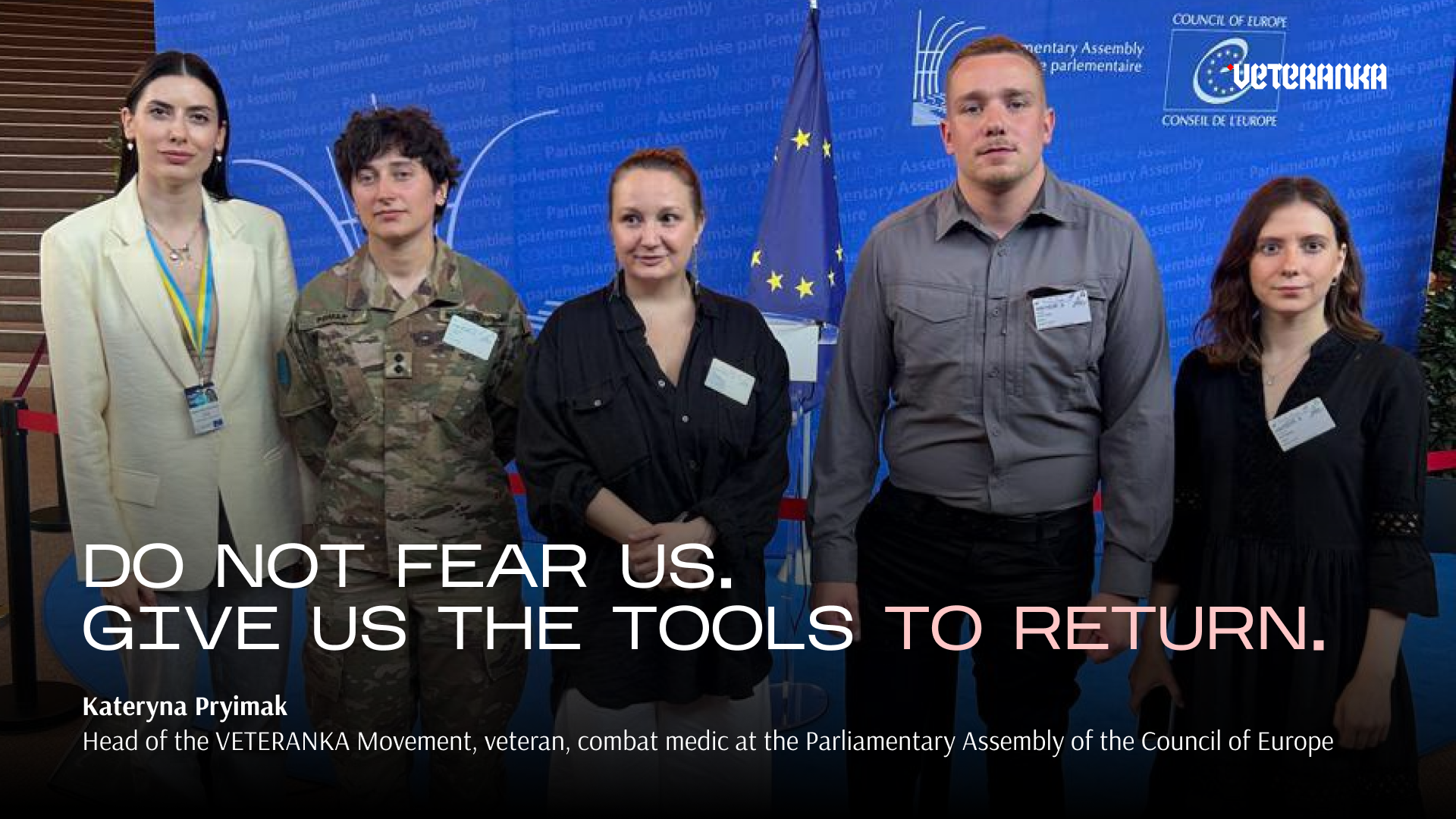 "Do not fear us. Give us the tools to return"
 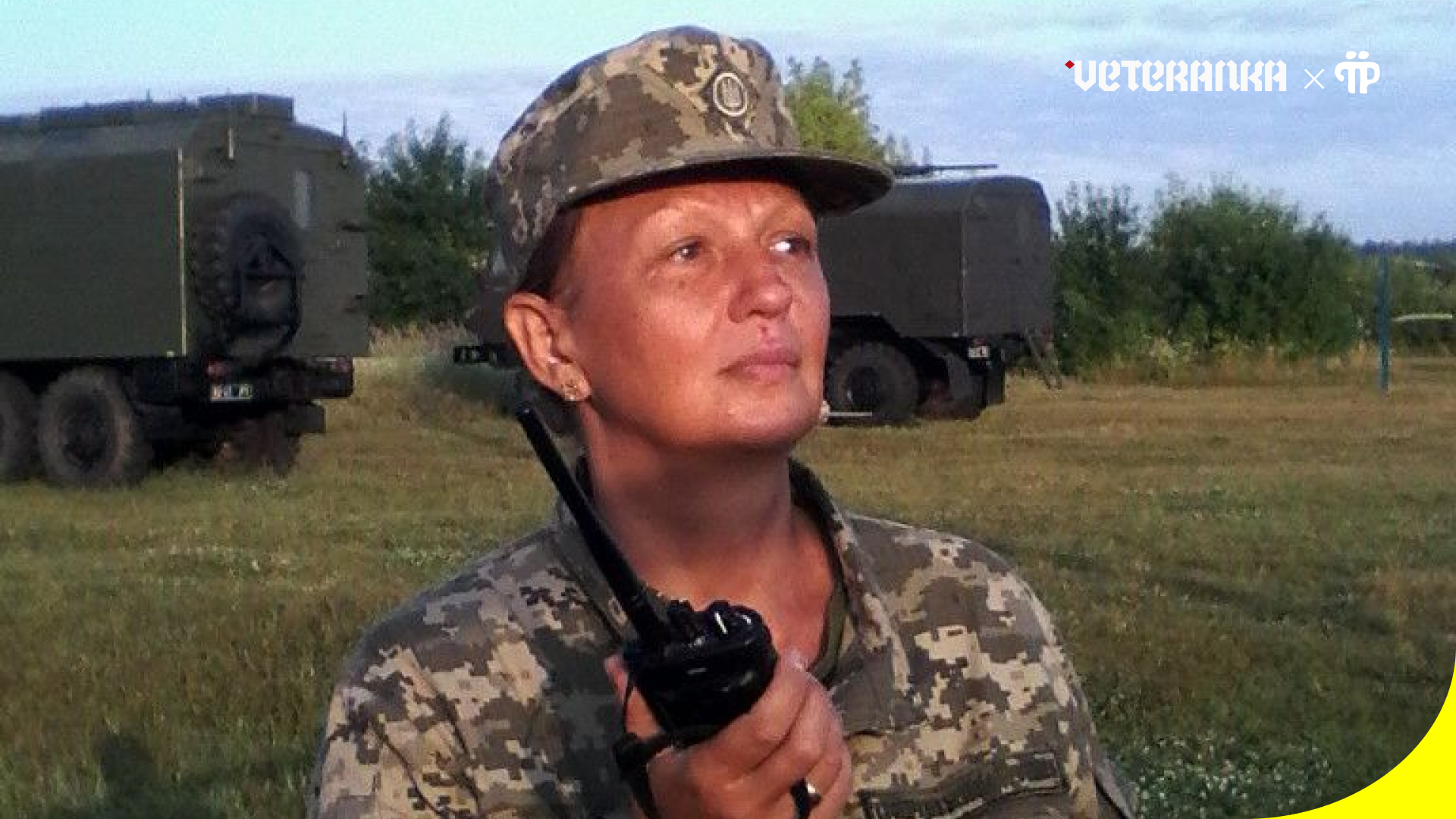 “Life does not end after service — it becomes different”
 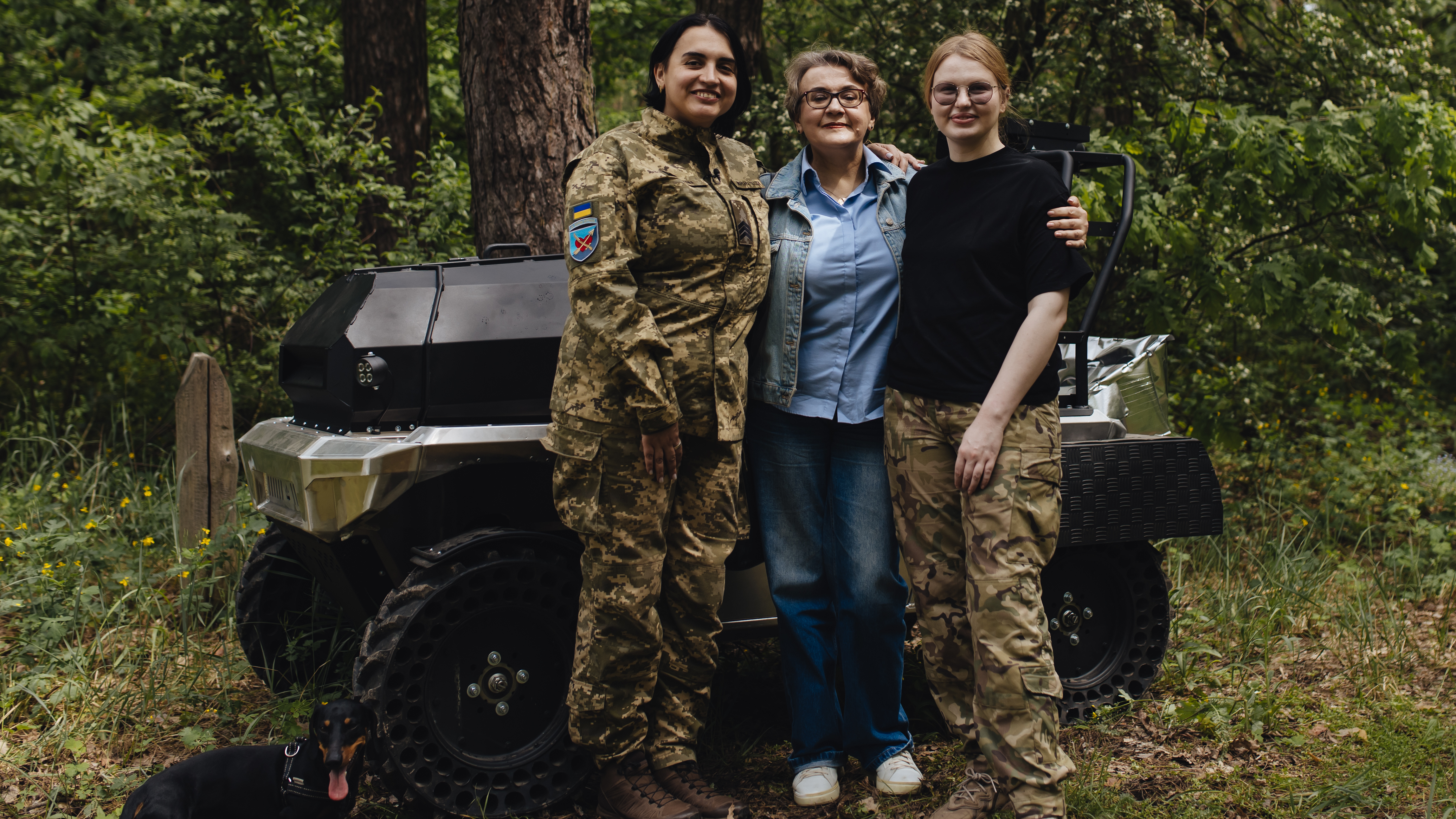 We strengthen evacuation efforts on the most difficult sections of the front and delivers the unique robotic complex “Maul”
  “I am not a girl here, but a servicewoman”